Fires in offices do not resemble motion picture scenes. They are messy, quick, and puzzling. Individuals think twice, alarms misfire, doors jam, and the very first mins are loaded with noise and half-heard guidelines. A good emergency situation control organisation, with qualified wardens led by a qualified chief warden, turns that confusion into a controlled, prompt discharge. The law anticipates that level of preparedness. Extra notably, your individuals count on it.
This guide sets out the lawful and practical demands for fire wardens, the training that underpins competence, and the practices that make emergency feedback second nature. It mixes governing assumptions with area reality, things you only value after many drills and a couple of real incidents.
Legal responsibilities and what they mean in practice
Across typical law territories, office health and wellness regulation creates a main obligation for employers to provide a safe place of job. Installed because obligation is the demand to plan for emergency situations, consisting of fire. In Australia, for instance, Work Health and Safety legislations need emergency plans and proficient individuals to apply them. AS 3745 Planning for emergency situations in facilities is the pertinent criterion for emergency control organisations, and its concepts use extensively also where the typical itself is not mandated. Various other countries make use of different language, but the core assumptions line up.
The basics are consistent. You must conduct a threat assessment that considers your people, your structure or site, your procedures, and direct fire scenarios. You have to make an emergency strategy that includes roles, obligations, communication courses, and discharge procedures. And you need to select, train, and sustain an emergency control organisation that can perform the strategy under pressure. Legislation seldom determine every information, so regulators determine you versus reasonableness and your own risk account. A tiny single-storey office with 20 personnel has different fire warden requirements than a 24/7 storage facility with turning changes and constant contractors.
Documentation issues. If an event takes place, detectives will certainly request for the emergency situation strategy, training documents, drill records, warden lineups, and maintenance logs for alarms and emptying systems. Great documents reveal the organisation took its responsibility seriously, not as a paper exercise.

The emergency situation control organisation at a glance
The emergency situation control organisation, or ECO, is the team that routes individuals during an emergency. In AS 3745 terms, it includes the chief warden, replacement chief warden, communications police officer, location wardens, and wardens. The exact structure scales to the site. On a tiny floor, one location warden with a deputy could suffice. In a multi-building university, each building or zone requires its very own ECO, typically with shared radio internet and a central occurrence control point.
Titles differ by business or country, but the features are stable. The chief warden works with, prioritises, communicates with emergency services, and makes a decision when to leave. Area wardens sweep their locations, manage neighborhood risks like separating tools, and record status. Wardens move individuals, knock on doors, aid those that need assistance, and preserve order in stairs and at setting up areas. The communications officer runs radios or the emergency intercom system, logs occasions, and communicates updates.
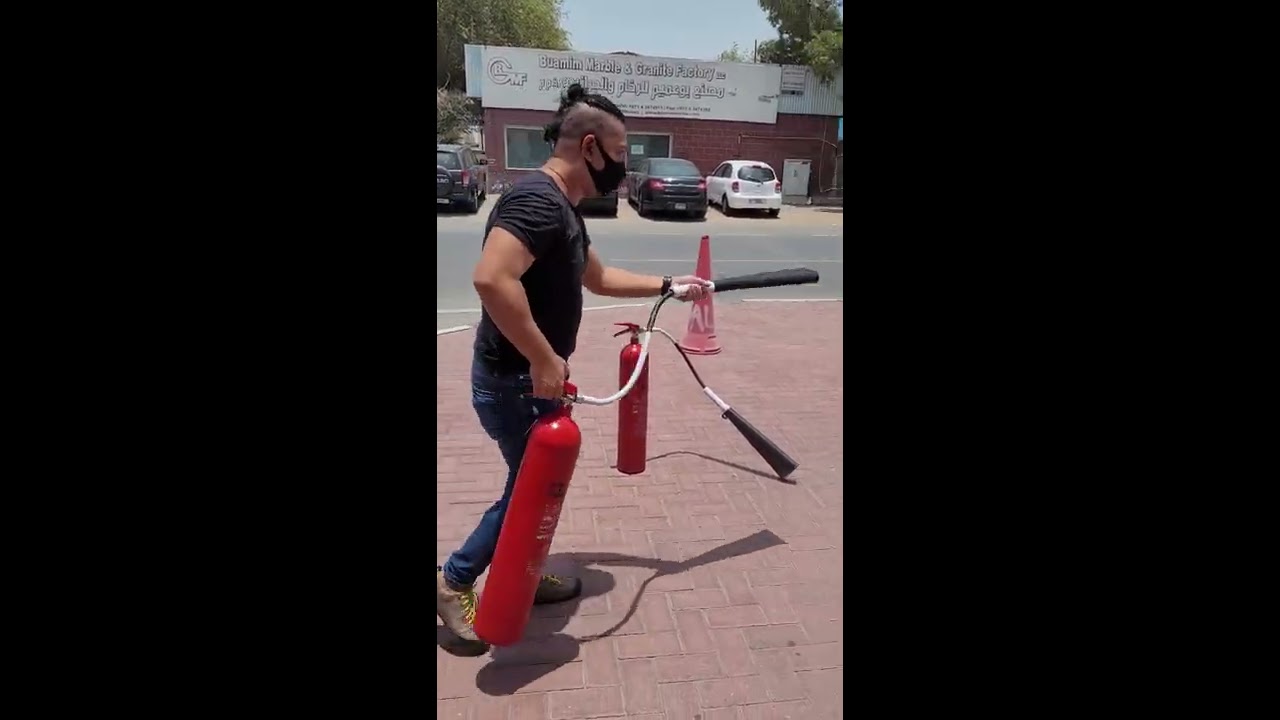
A refined yet crucial point: wardens are not firemens. Their task is to safeguard life, not home. They may utilize an extinguisher to stop a little incipient fire if trained and safe to do so, yet they do not do indoor firefighting. That limit maintains individuals from obtaining hurt.
Training that builds ability: PUA systems and beyond
Australia's public safety training structure gives 2 appropriate systems that map neatly to ECO roles. PUAER005 Operate as component of an emergency control organisation furnishes wardens and location wardens with core skills: alarm types and definitions, sweep and search methods, threat identification, assisting people with disability, and making use of mobile equipment when safe. A puafer005 course is typically the baseline for any person using a warden hat.
For those that lead, PUAER006 Lead an emergency situation control organisation focuses on decision-making, communications, command presence, and liaison with emergency situation solutions. A puafer006 course prepares chief wardens and deputies to run the occurrence, use the emergency strategy under genuine problems, and adjust when plans fulfill reality. In hectic facilities, both units show up in the training matrix, with puafer005 operate as part of an emergency control organisation designated widely and puafer006 lead an emergency control organisation targeted to management roles.
Whether you make use of these precise devices or a comparable framework, the content needs to feel practical. In good programs, you practice on your website, not a common class map. You run through a blocked exit situation, a compromised stairwell, a power failure during discharge, and a dud that calls for an orderly stand-down. You pay attention to your structure's tones and try the public address system. You fulfill the fire indicator panel, see exactly how to separate a plant room, and evaluate the place of hydrants, hose reels, and extinguishers. That is the level of detail a fire warden course should hit to be worth your time.
A few useful details separate mediocre training from solid warden training. Initially, tempo and noise. Students should experience raised voices, garbled radio traffic, and time pressure. Second, ambiguity. Not every scenario is noticeable. An ECO must be comfortable committing to action with insufficient details. Third, repeating. Abilities stick when reviewed. Great programs require refresher course sessions, normally every 12 months, with brief toolbox talks or micro-drills in between. In higher threat atmospheres, six-month refreshers are common.
How lots of wardens do you need?
Rules of thumb exist, yet you ought to start from your threat account. Typical technique for low-risk workplaces is one warden for 20 to 30 occupants per floor, with a location warden in charge of each floor or zone. High-traffic areas like receptions or snack bars benefit from a specialized warden that recognizes the flow of visitors. In stockrooms, you might need one warden for each and every aisle financial institution or job cell. In healthcare or aged treatment, the ratio increases due to the fact that helped evacuation takes longer and needs coordination.
Shifts make complex preparation. If you run throughout 3 shifts, your warden numbers need to hold up at 2:00 a.m., not simply during the day. Casual or contractor-heavy workplaces need added coverage due to the fact that transient employees frequently miss induction briefings. If your site has multiple occupants, you will need a building-level ECO and renter ECOs that speak with each other. In mixed-use structures, the chief warden might be appointed by the structure supervisor, with lessees giving wardens for their areas. Clear borders and shared drill routines end up being essential.
Hat colours, vests, and other identifiers
During an emptying, exposure and clearness matter. Lots of organisations make use of coloured hard hats or vests to signify Check out the post right here functions. The chief warden typically uses white. A deputy chief warden may likewise wear white or a distinct pen like white with a stripe, relying on website convention. Area wardens generally wear yellow, while communications policemans or first aid responders may use various other colours. When asked what colour helmet does a chief warden wear, white stays one of the most commonly acknowledged answer in Australia and in several company criteria. If your market defaults to soft caps or vests instead of helmets, maintain the same colour logic.
Fire warden hat colour is not style, it is function. In a great smoky hallway or crowded assembly location, colour flags leadership and reduces complication. The trick is uniformity. Publish a simple visual guide in your emergency situation plan and display it near muster points so brand-new starters and visitors comprehend that to adhere to when anxiety spikes.
Chief warden duties and decision points
The chief warden's work is part band conductor, part air website traffic controller. When the alarm appears, they verify the alarm source and type from the fire panel or checking company, start public address instructions, and trigger or postpone evacuation based on the strategy. They appoint or verify the communications policeman, switch to the ECO radio channel, and demand location status updates. Their focus toggles between the large photo and the next 2 minutes.
Decisions usually arrive quickly. Do you evacuate the entire building or a partial area? Do you hold individuals in place for back staircase clutter while sending out another floor out initially? Do you reroute to an alternative assembly area due to wind instructions or a secondary risk like a gas spill? Judgment improves with exposure. That is why chief warden training ought to consist of circumstance job that really feels unpleasant. A chief warden course with only slides and no vibrant role-play misses out on the point.
It aids to create decision design templates. As an example, if smoke is found on a floor, evacuate the afflicted floor, the flooring above, and the floor listed below, while holding other floorings up until status gets rid of. If the alarm system is activated by a plant space warmth detector however no smoke or flame is observed, place location wardens on standby while a trained person checks from a secure distance, then escalate if any question continues to be. Design templates are not scripts. They offer you an area to begin when adrenaline is high.
Chief warden duties do not end at the evacuation. They should make up people at the setting up area, validate if anybody is still inside, quick going to fire staffs, and run a regulated re-entry when it is safe. After the event, they lead the debrief, capture lessons, and press renovations into the emergency situation plan.
What wardens actually do throughout an alarm
Wardens are the face of calmness. When the tone appears and the message begins, they relocate. They move their location from the far end back toward the departure, inspecting closed rooms, bathrooms, cupboards that could conceal a well-meaning person gathering belongings, and high-noise zones like print rooms where alarms go away under hum. They assist individuals to the closest risk-free leave, not the one they made use of in the morning. They look for any kind of obstacles, remove what they can securely relocate, and call out dangers that require workarounds.
On the stairs, wardens handle speed and spacing. Evacuations delay not from distance yet friction points. A well-placed warden every couple of floorings maintains the stream relocating. They discourage bag retrieval, elevator usage, and backtracking. At the setting up area, wardens straight individuals to preassigned areas and begin roll phone calls utilizing published listings, applications, or a mix. Names matter here. In big websites, a solitary name missed can postpone re-entry by 20 mins while teams move floors unnecessarily.
Wardens also expect those who need assistance. A person that can walk slowly might still require a buddy. Flexibility tools, solution animals, hearing problems, stress and anxiety, pregnancy, and short-lived injuries develop genuine needs that differ by day. You only uncover them if wardens know their people and ask ahead of time. Lots of sites utilize individual emergency discharge plans for details individuals, linked to the ECO's muster sheets.
The small print on extinguishers and "fireman" instincts
Portable extinguishers serve devices in experienced hands for tiny, early-stage fires. Yet they lure individuals right into heroics. Training must set a clear bar. If the fire is larger than a trash can, if smoke is thick or black, if you have to bend or get to right into a room, or if you're alone, do not attempt to eliminate it. Pull the alarm system, close the door to contain, and move individuals away. In drill debriefs, I ask wardens to explain what they smell, feel, and see before deciding to attempt an extinguish. If our confidence is under 80 percent and the leave is not kept behind them, it is a no.
On the opposite, I've seen little electric fires in server rooms stopped within 15 seconds since a qualified warden ordered a carbon dioxide extinguisher, kept the leave at their back, and understood when to stop. The difference is ability and the self-control to step away as soon as problems change.
Designing a plan that people can in fact follow
Emergency strategies fail when they are composed as compliance documents as opposed to guidebook. Begin with clear flooring representations that show leaves, staircases, fire equipment, and sanctuary factors. Usage ordinary language and brief, energetic sentences in feedback actions. Map neighborhood risks. If you have a chemical store, note it. If your stairwell tightens on level 6, note that and plan to surprise floor releases.
Include communications protocols that mirror your genuine devices. If you make use of radios, standardise telephone call signs emergency warden training and short message formats. If your website relies on mobile phones, recognize the back-up when insurance coverage declines. Alarm systems, PA systems, and warden radios ought to be evaluated with each other. An alarm that drowns out radio web traffic can stall an emptying. News should be scripted for likely scenarios yet versatile. Individuals's minds latch onto tone and confidence as much as words.
Set two assembly locations. Weather, roadway closures, or an additional case can make a main muster area dangerous. In a city school, I have actually utilized a neighboring multi-level parking lot as a protected muster factor, with marshals at the access ramp to avoid traffic. In a port center, wind and smoke direction drove the option. People bear in mind if you clarify the why during drills.
Drills that move beyond "tick package"
The distinction in between a drill that instructs and one that wastes an hour is intending. If you can, coordinate with the structure supervisor so wardens can operate the fire panel under supervision, not simply view. Revolve situations across the year: a blocked stairwell on the north side, a confined fire in the kitchen area, a partial evacuation, an after-hours alarm with only one warden on site. Include an interactions misstep so wardens technique verification methods rather than assumptions.
One information that matters: time the move. Wardens usually ignore how long a thorough check takes. In a six-storey workplace with 120 individuals per floor, a regimented move by two wardens takes three to five mins, longer if there are numerous shut rooms. That timing educates your decision to trigger emptying early for top floors.
Drills ought to include visitors and professionals. Function needs to know just how to represent them, either with a sign-in app that feeds muster checklists or an easy clipboard tally. If your process for visitors is hands-on, your drill needs to check it. Deal with the post-drill debrief like a proper occurrence evaluation. What worked out, what needs to alter, and that possesses the modification with a due date. A two-line e-mail that claims "All good" is a missed out on opportunity.
Integrating emergency treatment and safety and security with the ECO
Most emergency situation occasions are blended issues. A small fire may trigger a medical problem or a crowd movement threat at the exit entrances. Your ECO will certainly work better if first aid responders and protection groups are incorporated. In some organisations the interactions officer sits with security at the control space, viewing CCTV to validate stairway problems and crowding. In others, an emergency treatment lead phases at the setting up area to triage anybody who gets here troubled or injured.
Brief these roles right into the plan. During a drill, designate them tasks: protect the loading dock roller door if evacuation passes through it, meet the fire solution at the road entryway with a layout, or take care of vehicle flow at the parking lot exit. Also tiny assimilations like a shared radio channel for emergency use make a tangible difference.
Fire warden training needs and refreshers
Beyond preliminary puafer005 and puafer006 training, you ought to order refresher courses in your training matrix. Twelve months is common for wardens and primary wardens. Some insurers and structure managers choose six months for high tenancy or high-risk centers. New buildings, adjustments in fit-out, or the arrival of a brand-new tenant need to trigger an acting update. If your labor force turns over swiftly or counts on casuals, aim for short induction components that cover evac paths, tone meanings, and that to follow. Maintain it under 10 mins or it will certainly be skipped.
Choose providers that assess on capability, not attendance. Ask exactly how they mimic choice pressure. Good instructors customise content to your layout and will certainly run onsite workouts. If your site is remote, think about a combined technique: online pre-work, adhered to by an in-person practical where wardens run through sweeps, make use of radios, and operate the panel. A fire warden course that quits at theory isn't enough. Chief fire warden training need to consist of case logs, public address practice, and liaison with emergency situation services.
Common pitfalls and just how to avoid them
Even well-run organisations journey over a couple of foreseeable problems. The first is over-reliance on a single solid chief warden. If that person gets on leave, performance drops. Construct depth. Deputies require genuine practice, not just a title. The 2nd is stale plans. Workplace remodellings and design fine-tunes modification circulation promptly. Make it a practice to walk the floorings quarterly. The third is slim drills. If your drills always take place at 10:00 a.m. on a Wednesday, you are examining only one pattern. Try an early-morning drill with half the common personnel, or a late-afternoon drill when people are in conferences or rushing to leave.
Another risk is unclear setting up treatments. When you ask a group if everybody is made up, a person will say yes based upon a feeling. Change that with a technique. Roll calls can be old-school published checklists, but they have to be up to day. Digital systems tied to accessibility control can help, though they need to manage visitors and people who tailgate. The simplest reputable step is to designate each warden a named team or zone to report on, and the communications police officer collects the records by floor.
Finally, deal with false alarms as training opportunities. Every unintended emptying subjects genuine gaps. Debrief, change, and document activities. If you discover a duplicated home appliance causing journeys, fix it. If a certain stairwell jams due to the fact that a door more detailed is too strong, adjust it.
Selecting and supporting the best people
Not everyone intends to be a warden, and that's fine. Look for people that remain tranquil under stress and can predict their voice. Influence matters more than ranking. A recognized assistant usually makes a far better location warden than an elderly manager because they know names, rooms, and just how the day really runs. Change managers are natural prospects in functional sites. For chief wardens, choose individuals who can choose with incomplete details and after that connect them plainly. If they hesitate usually in day-to-day job, they will certainly have a hard time during an incident.
Support your wardens with time and tools. Block their schedules for training and drills. Supply radios that operate in stairwells. Supply spare batteries. Provide vests or hats in the ideal colours and maintain them easily accessible, not locked in a cupboard two corridors away. If wardens accomplish extra duties, acknowledge it in efficiency reviews or gratuities. Volunteers are charitable, yet duty without assistance leads to attrition.
How this views on the ground: a quick story
At a distribution center I worked with, the very first discharge under a new strategy took eight minutes much longer than we expected. The wrongdoer had not been stairs or distance. It was forklifts and pallet jacks abandoned throughout egress routes when the alarm system appeared. No malignance, simply muscular tissue memory. We fine-tuned the strategy in a simple means. During induction, we taught operators a one-line direction: on alarm system, park in assigned bays, forks down, power off, after that go. We marked bays near leaves with bright paint. In the following drill, aisles remained clear and the structure cleared in just under 6 mins, a cut of greater than 40 percent. Absolutely nothing fancy, just a detail grounded in how the work actually happens.
Where PUA units fit into a more comprehensive safety and security system
The puafer005 operate as part of an emergency control organisation and puafer006 lead an emergency control organisation devices anchor proficiency for wardens and chief wardens. However they sit alongside various other elements: emergency treatment training, constrained space and hot work authorizations, dangerous chemical administration, and service provider induction. When these programs line up, individuals hear constant messages. For instance, your warm work authorization process ought to include a fire watch and the exact instructions for appearing an alarm and notifying the chief warden. Your contractor induction ought to cover the same emptying tones and assembly location names utilized in warden training.
If you take care of a profile of websites, standardise what you can without disregarding neighborhood truth. The chief warden hat colour could be white throughout all sites, and the warden vests yellow, however stairway naming or assembly area labels will certainly differ. Motivate cross-site drills for senior primary wardens. They discover swiftly by observing different buildings and tactics.

Putting it with each other: a functional quick-start
- Map your existing state: that are your wardens by change and area, what training have they finished, when were drills last conducted, and what did the debriefs say. Align duties and training: schedule puafer005 for wardens and location wardens, and puafer006 for principal and replacement principal wardens; established refresher courses at one year or much shorter for greater risk. Tighten the plan: validate assembly areas, radio methods, and decision design templates; upgrade flooring representations and article them. Run a reasonable drill: pick a circumstance that tests a powerlessness, time the sweep, and capture quantitative notes such as stair dwell times. Close the loophole: take care of friction points, document updates, and connect changes throughout changes and tenants.
That simple sequence, repeated and matured, develops an ECO that can take care of greater than a textbook alarm.
Final checks and judgment calls
Fire warden requirements in the workplace are not practically numbers and hats. They have to do with exactly how fast humans can gather info, choose, and move in teams without panic. Good systems anticipate the unpleasant parts. They plan for the lone night-shift custodian that ends up being the emergency warden by default. They plan for the visitor who doesn't talk the local language. They plan for the alarm system that trips throughout a VIP event when people stand up to leaving. They plan for smoke that smells of scorched toast yet conceals a falling short ballast in a light fitting two rooms away.
If you are responsible for this system, walk your site. Take a look at exit equipment. Pay attention to the alarm system tones. Try the PA with the doors open and the air taking care of devices running. Ask three individuals on the flooring to point to the nearby departure, after that ask to call the assembly location. Those tiny checks reveal where to focus your following drill or toolbox talk.
Strong fire warden programs incorporate legal conformity with lived method. Train individuals well, provide decisive leadership, mark roles clearly, and practice under problems that really feel actual. Do that, and when the day gets here that the alarm is not a drill, your ECO will turn sound right into activity and unpredictability into action.
Take your leadership in workplace safety to the next level with the nationally recognised PUAFER006 Chief Warden Training. Designed for Chief and Deputy Fire Wardens, this face-to-face 3-hour course teaches critical skills: coordinating evacuations, leading a warden team, making decisions under pressure, and liaising with emergency services. Course cost is generally AUD $130 per person for public sessions. Held in multiple locations including Brisbane CBD (Queen Street), North Hobart, Adelaide, and more across Queensland such as Gold Coast, Sunshine Coast, Toowoomba, Cairns, Ipswich, Logan, Chermside, etc.
If you’ve been appointed as a Chief or Deputy Fire Warden at your workplace, the PUAFER006 – Chief Warden Training is designed to give you the confidence and skills to take charge when it matters most. This nationally accredited course goes beyond the basics of emergency response, teaching you how to coordinate evacuations, lead and direct your warden team, make quick decisions under pressure, and effectively communicate with emergency services. Delivered face-to-face in just 3 hours, the training is practical, engaging, and focused on real-world workplace scenarios. You’ll walk away knowing exactly what to do when an emergency unfolds—and you’ll receive your certificate the same day you complete the course. With training available across Australia—including Brisbane CBD (Queen Street), North Hobart, Adelaide, Gold Coast, Sunshine Coast, Toowoomba, Cairns, Ipswich, Logan, Chermside and more—it’s easy to find a location near you. At just $130 per person, this course is an affordable way to make sure your workplace is compliant with safety requirements while also giving you peace of mind that you can step up and lead when it counts.